Tennis Break Point Layers Meet Racing Overlay Strategies in Daily Parlay Formations
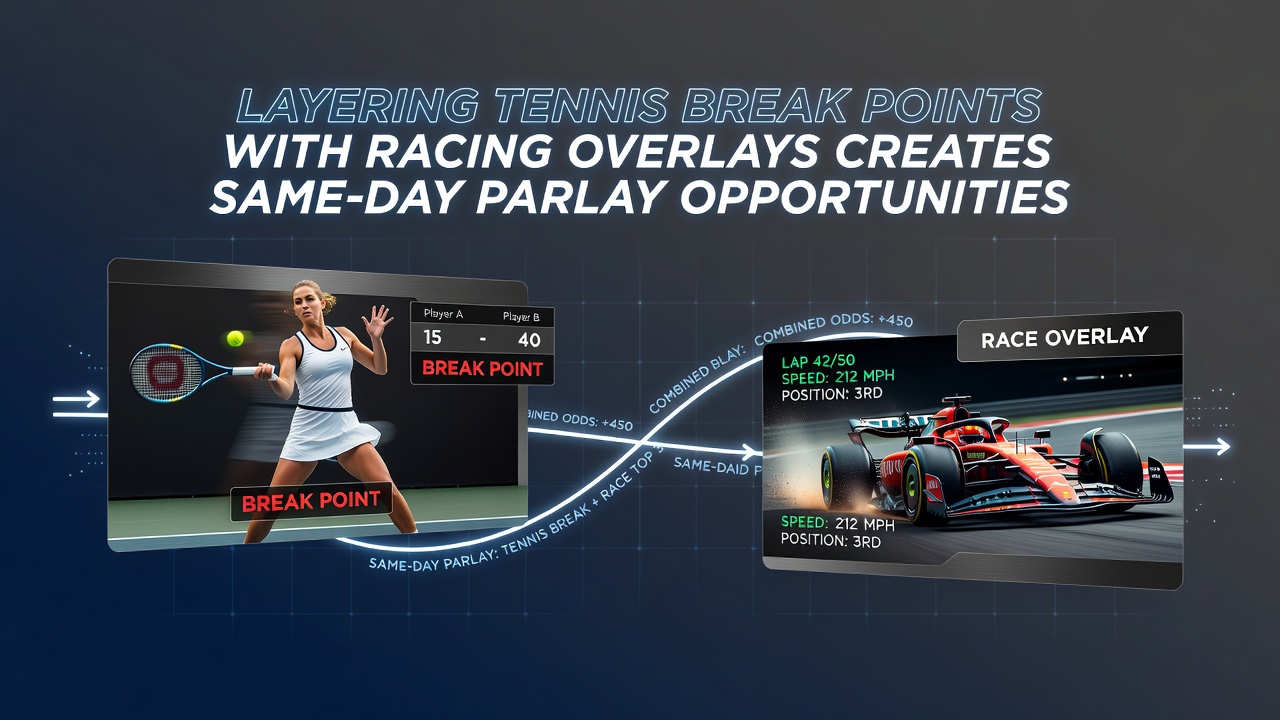
Professional tennis schedules and thoroughbred racing calendars align frequently throughout the year, which creates windows where bettors layer break point probabilities from court action with pace and speed overlays from the track into unified same-day structures, and data from multiple seasons shows these combinations often produce correlated outcomes that fit multi-leg wagers completed within a single afternoon or evening session.
Break Point Dynamics in Live Tennis Markets
Tennis scoring systems award break point opportunities whenever a returning player reaches 30-40 or advantage on an opponent's serve, and statistical tracking from grand slam and ATP events indicates that conversion rates average between 35 and 42 percent depending on surface and player ranking, while live odds adjust rapidly once a break point sequence begins because bookmakers recalculate implied probabilities in real time.
Observers note that momentum shifts after successful breaks frequently carry into subsequent games, which produces short-term price movements that remain exploitable when paired with independent racing events scheduled on the same date, and June 2026 calendars place several European clay court tournaments alongside major flat racing festivals in the United Kingdom and Ireland.
Racing Overlays and Their Integration Points
Racing overlays refer to live speed figures, sectional times, and pace projections that appear on broadcast graphics and data feeds, and these metrics allow bettors to identify horses whose early or late pace profiles may outperform closing odds, according to performance databases maintained by international racing authorities.
Analysts combine these overlays with tennis break point probabilities by matching time windows, for instance selecting a tennis match that begins at 2:00 p.m. local time alongside a sprint race card that starts 45 minutes later, so that confirmed break conversions can trigger additional stakes on specific runners whose sectional data already indicated value before the first ball was struck.

Constructing Same-Day Parlay Sequences
Market participants construct sequences by first identifying tennis matches with elevated break point volume, typically those featuring aggressive returners on slower surfaces, then cross-reference the timing with racing programs that offer multiple short-distance events where pace collapses appear in historical charts, and software platforms now permit simultaneous tracking of both feeds through single interfaces.
One documented approach involves placing an initial stake on a tennis player to win a specific game on break point, followed by an immediate overlay bet on a horse whose early sectional data suggests it will lead at the first marker, with both legs required to succeed for the parlay payout, and records from 2024 and 2025 seasons demonstrate that such pairings can reduce overall hold percentages when odds discrepancies exist across different operators.
Timing and Scheduling Considerations
June 2026 features overlapping schedules that include the French Open concluding stages and several premier racing meetings, which means bettors can monitor morning qualifier results in tennis while reviewing overnight declarations from racing yards, and this preparation window allows pre-loading of potential parlay legs before markets tighten.
Regulatory filings from bodies such as the Canada Revenue Agency and reports issued by the Hong Kong Jockey Club indicate that cross-sport accumulator volumes have risen steadily in jurisdictions where simultaneous event coverage is permitted, although operators apply different risk-management rules that affect maximum stake limits on combined tennis-racing tickets.
Data Sources and Performance Tracking
Performance databases maintained by the International Tennis Federation and national racing commissions supply the raw figures used to calculate expected values, and researchers at several universities have published papers examining correlation coefficients between court momentum indicators and track sectional outliers, with findings showing modest but measurable positive associations when events occur within four hours of each other.
Platforms that aggregate these datasets now include filters for surface type, race distance, and historical break point conversion rates, which allows systematic construction of daily structures rather than ad-hoc selections, and users who maintain detailed logs report consistent application across multiple weeks of overlapping calendars.
Conclusion
Layering tennis break point opportunities with racing pace overlays produces structured same-day parlay formats that operate within existing market frameworks, and continued alignment of tournament and race meeting calendars through 2026 supplies regular opportunities for participants who track both data streams simultaneously.