Synchronizing Tennis Breakpoints with Racing Pace Shifts in Accumulator Formations Through Odds Comparison Platforms
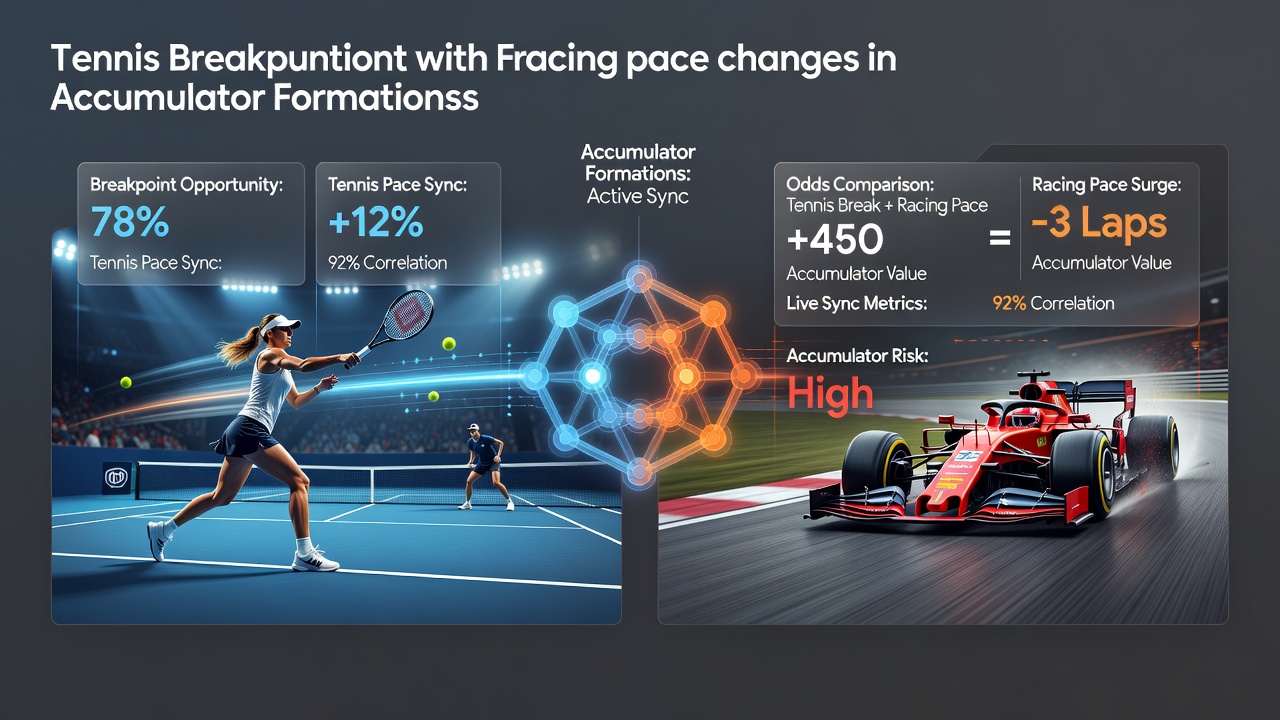
Market analysts track how tennis breakpoint opportunities coincide with pace adjustments in horse racing events, and they integrate these moments into accumulator structures by relying on odds comparison platforms that display real-time data across multiple sportsbooks. Observers note that such synchronization requires monitoring live match statistics alongside sectional timing figures from races, while the platforms aggregate price movements from various operators to highlight potential value points in multi-leg bets.
Core Elements of Breakpoint Timing in Tennis Markets
Tennis data feeds provide granular details on serve percentages, return points won, and breakpoint conversions during ongoing matches, and these metrics often trigger rapid odds adjustments when a player holds multiple break opportunities in a set. Researchers have documented that these shifts create entry points for accumulator builders who pair the tennis legs with racing selections, yet the process depends on platforms that refresh prices within seconds of each point played. In July 2026 several comparison services expanded their coverage to include integrated tennis-racing dashboards that flag correlated movements between the two disciplines.
Pace Dynamics in Thoroughbred Racing and Their Impact on Accumulators
Racing analysts examine early, mid-race, and closing sectional times to identify when frontrunners fade or closers accelerate, and these pace changes frequently align with tennis breakpoint clusters occurring in parallel events. Data from the Nevada Gaming Control Board indicates that combined betting volumes on such cross-sport accumulators rose steadily through the first half of 2026, driven by bettors who use comparison tools to lock in prices before pace-related odds compress. Those who study these patterns note that a sudden slowdown in a horse's sectional split can mirror a tennis player's missed breakpoint chance, prompting simultaneous adjustments across accumulator legs.
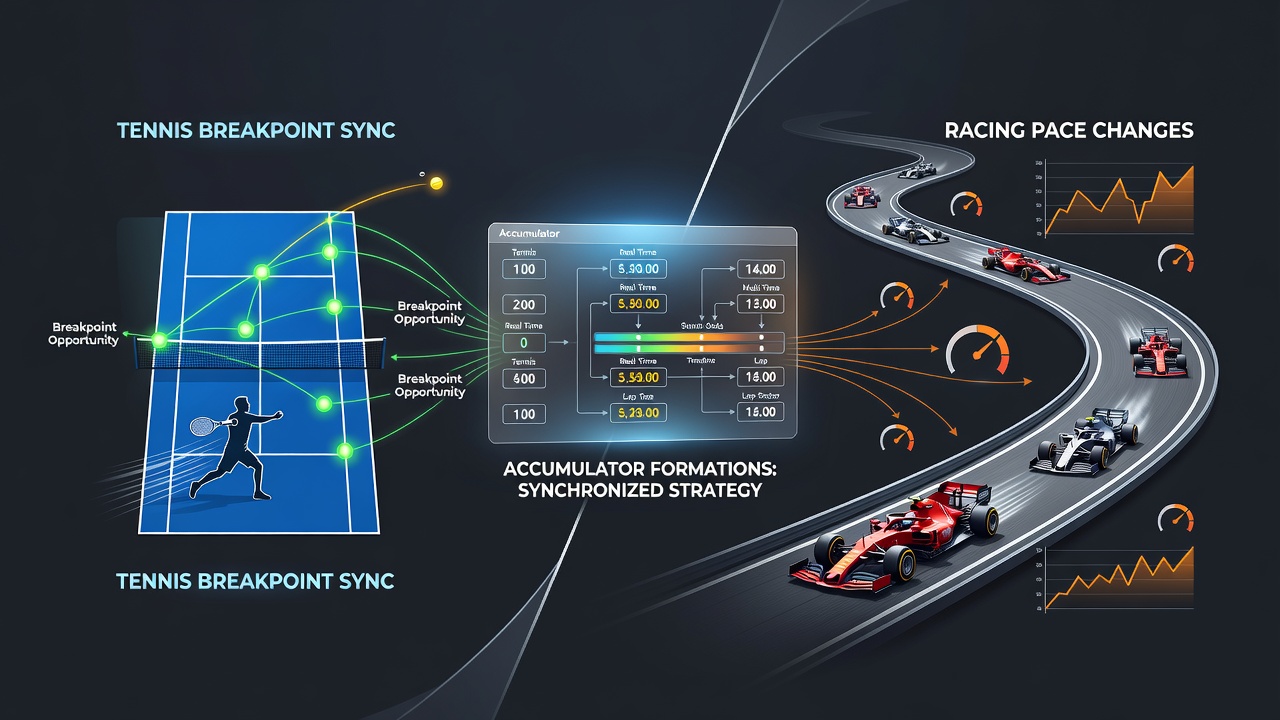
Comparison platforms present these correlations through side-by-side price tables, allowing users to view tennis set betting markets alongside racing win or place options without switching between separate sites. The tools also highlight discrepancies that arise when one bookmaker reacts faster to a breakpoint save than another reacts to a horse's late surge, creating brief windows for accumulator construction.
Constructing Accumulators with Synchronized Data Feeds
Accumulator formations gain structure when bettors select tennis legs at breakpoint moments and match them with racing legs at identified pace inflection points, and the comparison platforms supply the consolidated odds needed to calculate potential returns across the combined selections. Industry reports from the European Gaming and Betting Association show that operators have added API endpoints specifically for these multi-sport builders, enabling automated alerts when both a tennis breakpoint and a racing sectional shift occur within a narrow time band. Bettors who monitor these feeds can add or remove legs before the accumulator locks, preserving value as prices fluctuate in real time.
One documented approach involves setting alerts on comparison tools for tennis matches reaching deuce in service games, then cross-referencing those alerts with racing replays that reveal tiring leaders. The resulting accumulator might include a tennis game winner at improved odds paired with a racing place market that benefits from the identified pace collapse, all verified through the same interface.
Platform Features That Support Cross-Sport Synchronization
Leading comparison services now include filters that isolate tennis breakpoint probabilities and overlay them with racing pace analytics, and these features reduce the manual effort required to build the accumulators. Users access historical datasets within the platforms to compare how similar breakpoint-pace alignments performed in prior tournaments and meetings, which helps refine selection criteria without relying on subjective judgment. Academic studies hosted by the University of Sydney's gambling research unit have examined the statistical relationships between these event types, confirming measurable correlations in odds movements when the timing aligns across the two sports.
Additional tools within the platforms allow export of synchronized price histories, so analysts can review how accumulator payouts would have varied had the legs been added at different breakpoint or sectional moments. This capability proves useful for those refining their methods across multiple events scheduled on the same day.
Conclusion
Comparison platforms continue to evolve their offerings for users who combine tennis breakpoint data with racing pace information in accumulator setups, and the integration of live feeds from both disciplines supports more precise timing of selections. Figures from regulatory bodies and research institutions demonstrate ongoing growth in this style of cross-sport betting activity through mid-2026, driven by the availability of consolidated data streams. Those who employ these tools focus on the measurable overlaps between the two markets rather than isolated events, maintaining accumulator structures that reflect concurrent developments on the court and the track.