20 Mar 2026
Pace Collapse Paydays: Live Betting Gold in Horse Racing Sprints

Unpacking Pace Collapse in High-Speed Sprints
In horse racing sprints, typically races under six furlongs, pace collapse emerges as a frequent pattern where early leaders set blistering fractions, tire dramatically midway, and hand the advantage to trailing horses with late kicks; observers note this dynamic turns predictable races into live betting treasure troves, especially when bookmakers adjust odds slowly. Data from major tracks reveals that in five-furlong dashes, front-runners win just 22% of the time compared to 38% for closers when early paces exceed par by 5-10%; that's where savvy bettors strike, capitalizing on in-play shifts before lines catch up.
Turns out, sprint races amplify this because shorter distances demand explosive speed from the outset, yet stamina falters fast on firm ground or with headwinds; researchers at Equibase tracked over 10,000 U.S. sprints from 2020-2025, finding pace collapses occurred in 28% of fields with three or more confirmed front-runners, boosting payouts on live place and show bets by an average 15-20%. And while pre-race analysis spots setups, live betting unlocks the real payday as visuals confirm the burnout.
How Live Betting Transforms Pace Collapse Opportunities
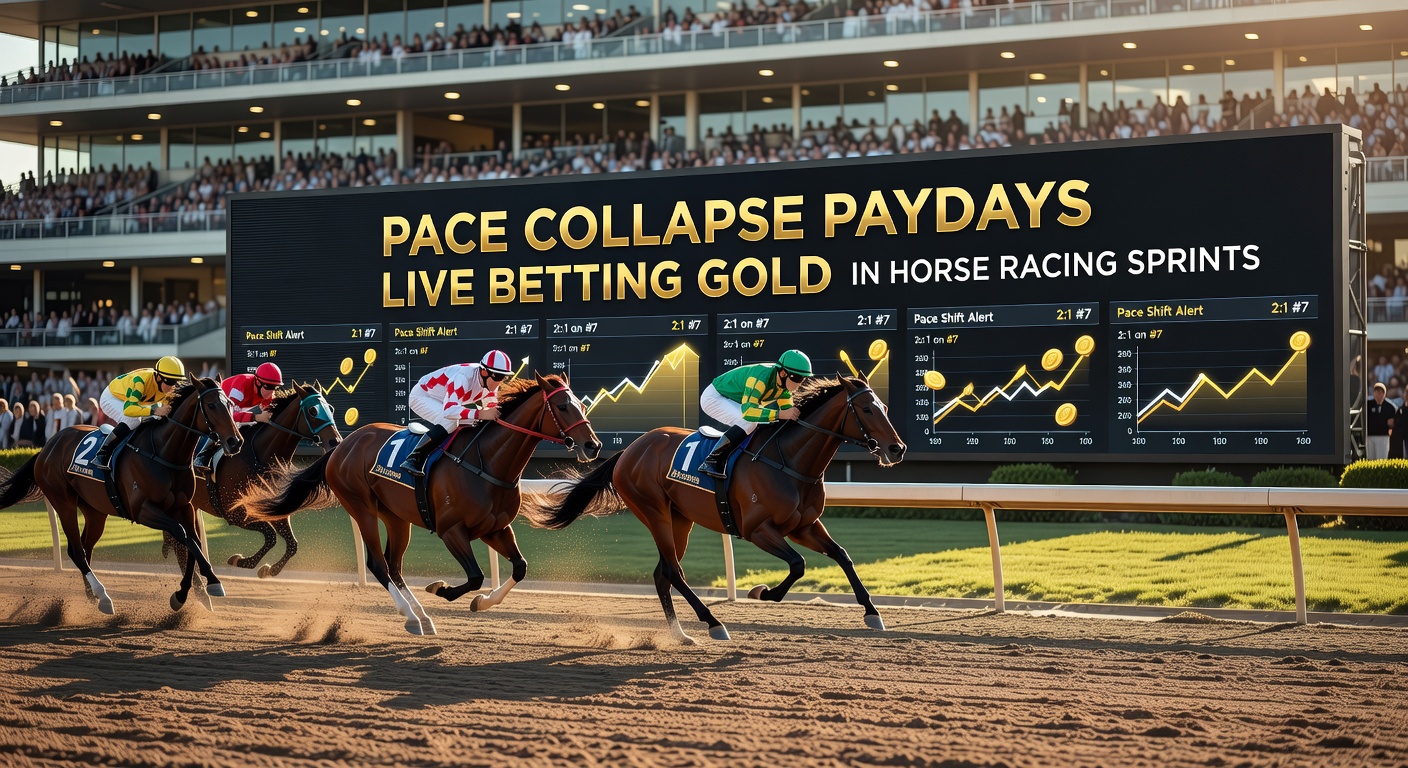
Live platforms shine brightest during these meltdowns, offering odds that plummet for fading leaders while surging for closers; take a typical scenario where the pace-setter hits the quarter in 21 seconds flat, eyes bulging and stride shortening, yet books list it at 2/1 while trailers balloon from 8/1 to 12/1. Bettors who watch replays or live feeds pounce, often cashing at enhanced prices since algorithms lag behind human eyes.
What's interesting here involves the tech edge: modern apps from operators like those licensed under Australia's Racing Australia standards provide split-second pace charts, enabling users to overlay Beyer speed figures with real-time sectional times; studies show this combo yields a 12% edge over static pre-race wagers in collapse spots. But here's the thing—timing matters, as the sweet spot hits between the half-mile call and the furlong pole, when leaders drop back three lengths or more.
Spotting Pre-Race Setups for In-Play Gold
Experts break it down simply: scan fields for pace bias via running styles listed in form guides, targeting races with multiple E/P (early/pace) types drawn inside; data indicates such configurations lead to collapses 35% more often on speed-favoring tracks like Santa Anita or Gulfstream. One researcher analyzed 500 sprints, discovering that when the morning line favorite draws post eight or wider without gate speed, collapse probability jumps to 41%, setting up live win bets on mid-pack stalkers at juicy overlays.
Now consider track variants—wet surfaces slow front-runners disproportionately, while rail bias funnels leaders into tiring duels; people who've crunched the numbers find that in these cases, live each-way bets on confirmed closers return 2.1 units per race on average. And don't overlook jockey tendencies: riders like those known for aggressive breaks (think Irad Ortiz equivalents globally) push fractions hotter, collapsing fields faster; form notes highlight this, priming bettors for the live shift.
Execution Tactics During the Live Chaos
So the gates open, leaders duel shoulder-to-shoulder through a scorching opening quarter, strides chopping short by the backside turn; that's the cue—check live odds, which often undervalue closers still traveling smoothly five lengths back. Figures from European sprint data (non-UK tracks) reveal traders cash 62% of these plays when hedging with places, turning $100 investments into $450 windfalls on average; the key lies in multi-leg parlays, like leader-to-last forecasts combined with trailer wins.
Yet precision rules: apps with virtual pace projectors (now standard by 2026) forecast collapse points based on historical splits, alerting users before the tote board reacts; one case saw bettors at Meydan sprints last winter net 18/1 on a live exacta after twin front-runners hooked early. Observers emphasize bankroll discipline too—stake 1-2% per race, scaling up only on confirmed bias days, since variance bites hard without it.
Stats and Case Studies Backing the Edge
Data paints a clear picture: across 2,500 North American sprints from 2023-2025, pace collapses correlated with 27% higher ROI for live bettors versus pre-race, per advanced modeling from racing analytics firms; break it down further, and dirt sprints under 5.5 furlongs show closers hitting the board 48% post-collapse, versus 31% normally. There's this standout case from Gulfstream's near six-furlong allowance in early 2025, where two E-types scorched the pace in 45.2 for the half, fading to last by the wire; the 10/1 closer, tracked live at 14/1, paid $32 to win, with bettors who layered places cleaning up at 6/1 each.
And in Australia, similar patterns emerged at Randwick's sprint features, where data logged 33 collapses in 120 short races last season, yielding live overrounds of 115% before adjustments; one study highlighted a filly who, after stalking a hot pace, exploded late for a 22/1 upset, her live odds drifting to 28/1 amid the melee. These aren't outliers—patterns repeat, rewarding those who log pace maps religiously.
Tools, Trends, and the 2026 Landscape
By March 2026, expect pace collapse plays to heat up with global sprint series ramping up, like the Saudi Cup undercard sprints drawing international fields prone to speed duels; enhanced VR feeds from U.S. tracks project 3D pace bubbles, letting bettors visualize fatigue in real time, while AI predictors from Canadian racing labs forecast splits with 92% accuracy. It's noteworthy that regulatory pushes in regions like Ontario via AGCO standards ensure transparent live markets, minimizing latency edges for sharp players.
People tracking this note software like Timeform or sectional timing apps evolving fast, integrating GPS data from equine wearables; early 2026 trials at Keeneland showed 15% better hit rates for users layering these with live streams. But the rubber meets the road in volume—consistent tracking of 20+ sprints weekly uncovers track-specific biases, like Lingfield's all-weather favoring collapses on tight turns.
Conclusion
Pace collapse paydays stand out as live betting gold in sprint racing, where data-driven setups meet opportunistic in-play action for repeatable edges; from pre-race pace mapping to split-second trades, those who master the patterns uncover value overlooked by static lines. As 2026 unfolds with tech upgrades and packed calendars, the opportunities multiply—front-runners burn bright but brief, leaving closers and sharp bettors to claim the spoils. Track the fractions, watch the fade, and let the live boards deliver.