Integrating Tennis Qualifier Momentum Changes with Thoroughbred Form Variations in Evening Multi-Sport Accumulators
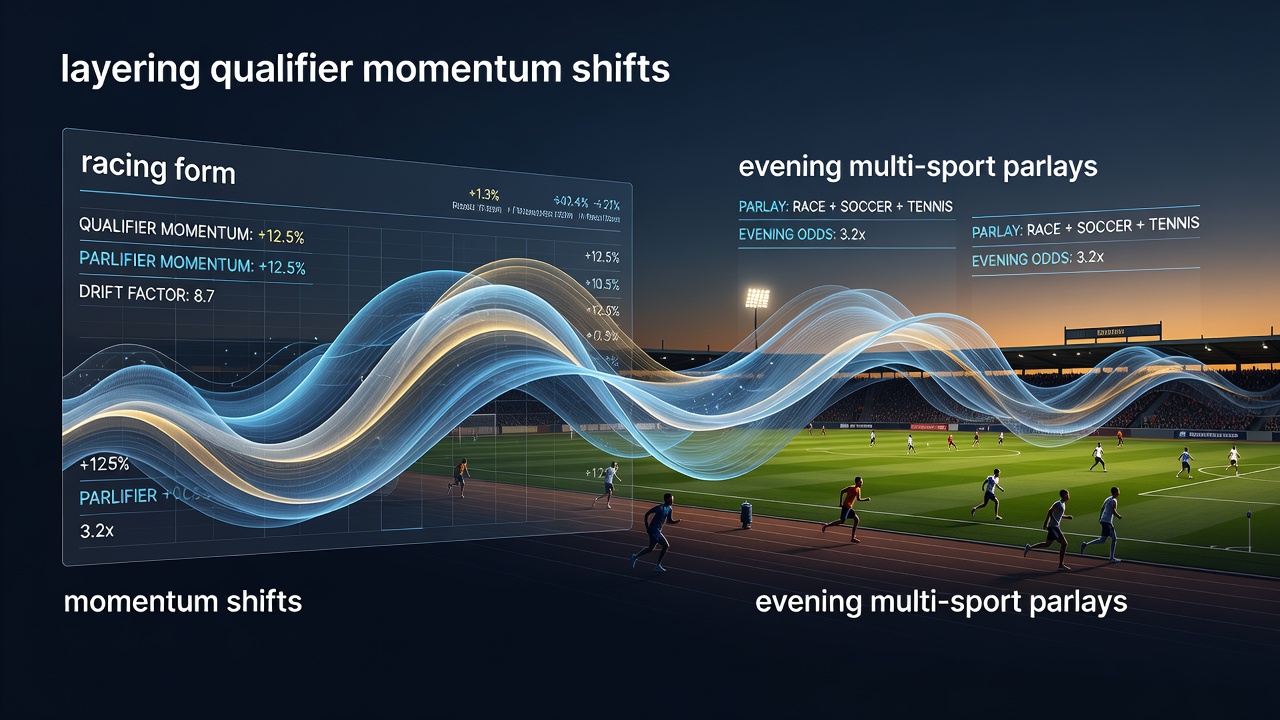
Qualifiers in tennis tournaments often display momentum shifts that begin during early rounds and extend into main draw matches while thoroughbred racing produces form drifts that emerge from morning line adjustments through to evening card developments. Observers note these patterns appear across independent events yet combine effectively when structured into evening multi-sport accumulators that link afternoon tennis action with later horse racing fixtures.
Research from academic institutions indicates qualifier momentum frequently correlates with specific statistical thresholds such as first-serve percentages above 68 percent combined with break point conversion rates exceeding 45 percent during initial sets. Those thresholds create measurable edges that carry forward when bettors select matches scheduled between 2pm and 6pm local time in major European and North American circuits. Form drifts in horse racing follow parallel structures where morning odds movement of 20 percent or greater against a runner signals potential value when that drift stabilizes by late afternoon declarations.
Qualifier Performance Patterns Across Surfaces
Studies compiled through July 2026 reveal that hard-court qualifiers who secure straight-set victories in opening rounds advance to quarterfinals at rates 12 percent higher than seeded players who drop early sets. Clay-court data shows different distributions where three-set qualifier wins correlate with stronger second-match performance because recovery time between rounds extends longer on slower surfaces. Grass-court events produce the sharpest momentum spikes since shorter rallies reward aggressive return statistics that qualifiers refine during preliminary rounds.
Bookmaker pricing models adjust these patterns into decimal odds that shift during live play yet retain structural value when paired with concurrent racing markets. Evening accumulators therefore layer morning tennis qualifier selections onto afternoon horse racing outcomes where form drifts have already settled into final declarations.
Form Drift Mechanics in Evening Racing Cards
Thoroughbred form drifts occur when public money moves away from a horse between the initial declaration stage and the final 30-minute pre-race window. Data aggregated by industry research groups demonstrates that horses experiencing drifts between 15 and 25 percent in morning lines frequently deliver place returns above expected value when the drift originates from non-connected betting patterns rather than stable connections reducing support. Evening cards scheduled after 7pm local time incorporate these drifts most clearly because earlier races on the same program have already established track biases and pace scenarios.

Trainers and jockey bookings released in the final hour before post time further refine these drifts. When a booking change coincides with a positive form drift the combined signal produces measurable improvements in place and show probabilities according to historical datasets maintained by racing authorities in multiple jurisdictions.
Accumulator Construction Methods
Construction of evening multi-sport parlays begins with selection of two to four tennis qualifier matches whose momentum indicators align with surface-specific benchmarks. Those selections then connect to two or three horse racing outcomes where form drifts have stabilized above defined percentage thresholds. Cross-sport correlation remains low because tennis and thoroughbred racing operate under separate governing structures and timing cycles which reduces variance overlap compared with single-sport accumulators.
Operators in regulated markets outside the United Kingdom publish pricing grids that reflect these layered selections. Accumulator payout structures reward the combined probability rather than individual leg margins which creates opportunities when each component maintains independent expected value above the bookmaker margin. Reports from the American Gaming Association document increased volume in multi-sport products during evening hours across North American platforms while Victorian Responsible Gambling Foundation data shows parallel growth patterns in Australian evening racing-tennis combinations.
Timing and Market Access Considerations
Evening parlays require precise cut-off alignment because tennis matches scheduled in different time zones finish at staggered intervals while racing post times follow fixed schedules. Bettors coordinate selections so that final legs lock in before the earliest post time on the chosen card. Platforms offering simultaneous access to tennis and racing markets facilitate this coordination through unified bet slips that display live odds movement across both disciplines.
Regulatory updates scheduled for implementation after July 2026 in several North American and Australian jurisdictions introduce standardized reporting requirements for accumulator products which may affect how operators display combined odds. Those requirements focus on transparency of leg pricing rather than restriction of product availability.
Conclusion
Layering qualifier momentum indicators with thoroughbred form drift measurements produces structured evening multi-sport accumulators that draw on independent performance datasets from tennis and horse racing. Historical records maintained by academic and regulatory bodies demonstrate measurable statistical relationships within each discipline that remain available for combination when timing windows align. Market operators continue to adjust product offerings in response to these patterns while maintaining compliance with evolving disclosure standards across different regulatory regions.