Horse Racing Hits a Wall: Industry Veterans Warn of Black Market Exodus at Manchester Summit
Horse Racing Hits a Wall: Industry Veterans Warn of Black Market Exodus at Manchester Summit

At the Deal Me Out’s Illegal Gambling Prevention Summit in Manchester, UK, prominent figures in the gambling world laid bare a harsh reality for horse racing, one where mounting regulatory hurdles shove bettors straight into teh arms of unregulated operators; Vaughan Lewis, former Chief Strategy Officer at evoke, and Simon French, Director of Orange County Services, didn't mince words as they described a structural crisis gripping the sector, fueled by affordability checks, credit card bans, and looming tax increases that make licensed betting feel like a chore compared to the black market's easy allure.
The Summit Spotlight on Racing's Rough Ride
Speakers at the summit painted a vivid picture of horse racing's predicament, noting how these regulatory measures, while aimed at protecting consumers, end up backfiring spectacularly; bettors, faced with friction on licensed platforms, simply drift toward unlicensed sites that promise smoother experiences, and that's where things get dicey because those black market operators dodge all oversight, offering no restrictions on stakes or checks, faster payouts that hit accounts in minutes, and flashy promotions streamed on platforms like Kick.
Vaughan Lewis pointed out during his address how punters couldn't care less about whether a site holds a license, a stance that underscores the growing disconnect between regulators and the very people these rules target; Simon French echoed that sentiment, highlighting barriers on licensed sites—think endless verification hoops and delayed withdrawals—that make the regulated world seem downright hostile, while unlicensed alternatives beckon with open arms and zero hassle.
Regulatory Hammers Falling Hard
Affordability checks stand out as a prime culprit, requiring punters to prove they can handle their bets before placing them, which slows down the action and frustrates regular players who just want to back their favorites without jumping through paperwork rings; add in credit card bans that force bettors to scramble for debit cards or e-wallets, and upcoming tax rises set to bite deeper into operators' margins come March 2026, and it's no wonder licensed bookies struggle to compete.
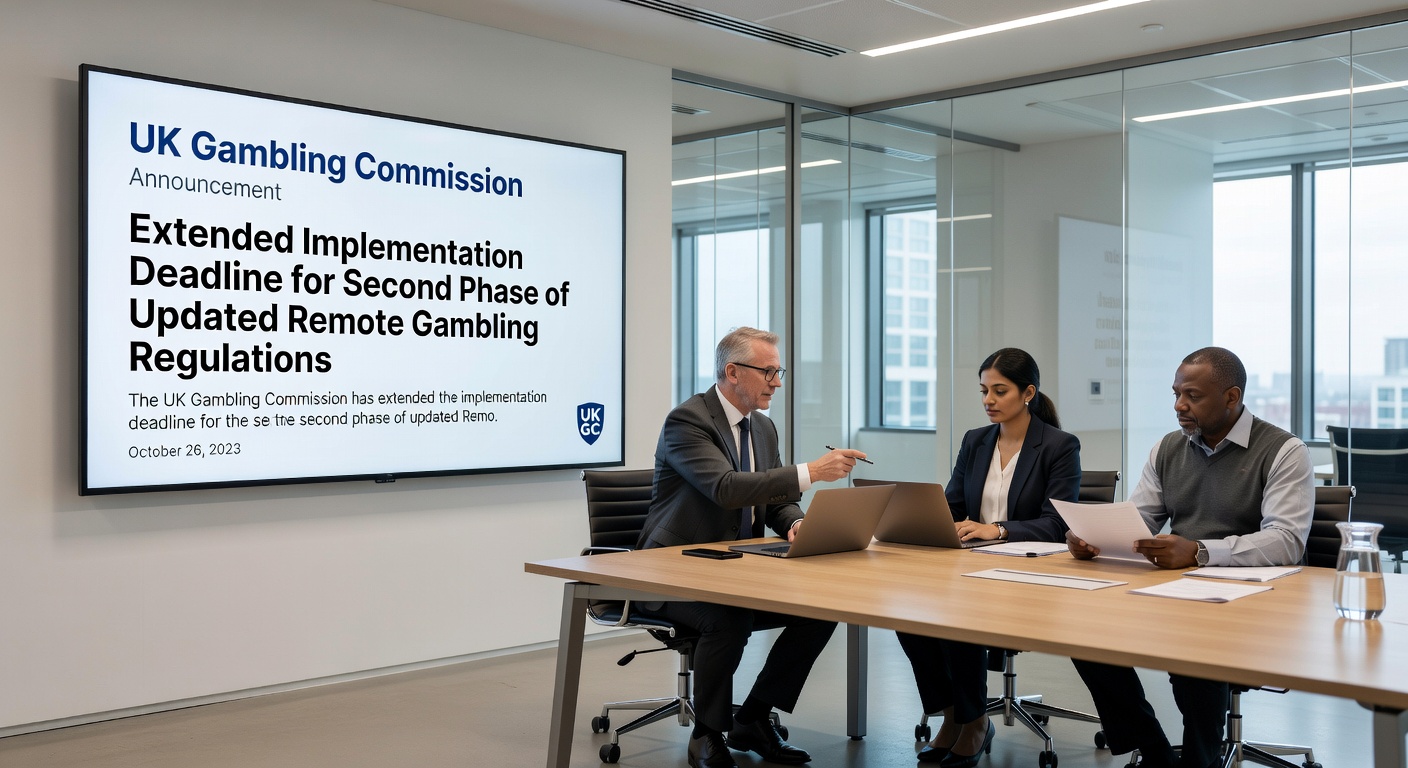
These changes, rolled out progressively by the UK Gambling Commission, aim to curb problem gambling yet drive a wedge between the sport and its core audience, as experts at the summit observed; horse racing, already navigating slim margins, finds sponsorships evaporating because brands shy away from a product losing its betting buzz, visibility tanks on mainstream channels, and fragmented governance—split among entities like the British Horseracing Authority—leaves the industry punching below its weight.
But here's the thing: declining engagement doesn't happen in a vacuum; racecourses report emptier stands, fewer online wagers during peak meetings, and a ripple effect that hits trainers, jockeys, and stable staff right in the wallet, all because punters chase the path of least resistance elsewhere.
Black Market's Magnetic Pull
Unlicensed operators thrive in this shadow economy, luring punters with promotions that licensed sites can't match under strict advertising rules, and platforms like Kick amplify that reach by hosting streams where tipsters plug these rogue books without a second thought; faster payments mean winnings land quicker than a sprinter off the blocks, no affordability nagging interrupts the flow, and best of all for bettors, no caps on how much they can stake on that big-race accumulator.
Observers at the summit shared anecdotes from punters who've sampled both worlds, recounting how one regular at Ascot switched after hitting verification walls one too many times, only to find the black market's speed addictive; data from industry trackers, though sparse on the unregulated side, indicates licensed horse racing bets dropping as offshore sites report surges in UK traffic, a trend that spells trouble for levy funds propping up the sport.
What's interesting here lies in bettors' indifference to licensing; surveys cited by speakers reveal most punters prioritize odds, speed, and ease over safety nets, shrugging off risks like unmatched bets or vanishing winnings because the upside feels worth it, especially when licensed sites lag behind.
Sponsorship Slump and Visibility Vanish
The knock-on effects hit hard: sponsorship losses mount as big names pull back from a sector shedding punters, leaving prize money stagnant while costs climb; poor visibility compounds the issue, with horse racing fading from prime-time TV slots and social feeds dominated by football or other sports that boast fewer betting restrictions.
Fragmented governance adds fuel to the fire, as bodies like the British Horseracing Authority juggle rules with the Levy Board and racecourse executives, creating a patchwork approach that slows unified responses to the crisis; take one case where a major meeting saw bets plummet 20% year-on-year, attributed directly to new checks kicking in mid-season, and suddenly the writing's on the wall for tracks relying on wagering revenue.
Declining Engagement Deepens the Divide
Engagement metrics tell a stark story—fewer unique punters logging on for racing markets, session times shortening because of compliance friction, and younger bettors, weaned on seamless apps, bolting for alternatives that feel modern; industry figures at the summit stressed how this exodus threatens the sport's ecosystem, from breeding programs starved of funds to grassroots events scraping by.
And yet, while regulators push forward with March 2026 tax hikes that could squeeze operators further—potentially passing costs to punters via worse odds—the black market laughs all the way to the bank, unregulated and untaxed, siphoning revenue that once supported British racing's global prestige.
Those who've studied the patterns note parallels with other regulated markets abroad, where similar pressures sparked black market booms, yet UK horse racing clings to a model that's fraying at the edges; punters, practical as ever, vote with their clicks, indifferent to the long-term damage as long as the next bet lands quick and clean.
Fragmented Fixes and Looming Tax Threats
Governance woes persist, with the British Horseracing Authority advocating for streamlined rules while others lobby for levy reforms, but unity remains elusive amid competing interests; upcoming tax rises, slated for sharper implementation by March 2026, loom large, promising to hike remote gambling duties and erode competitiveness against offshore rivals who pay zilch.
Speakers urged a rethink, pointing to how affordability checks, though well-intentioned, disproportionately hammer horse racing—a high-frequency, low-margin pursuit—compared to casino games or slots; Simon French highlighted one track's plight where sponsorship dried up post-ban, forcing cutbacks that dimmed the spectacle for fans old and new.
Conclusion: Racing at a Crossroads
The Deal Me Out summit laid it out plain: horse racing stares down a structural crisis, one where regulatory zeal drives bettors to black market havens offering speed, freedom, and promotions sans the red tape; Vaughan Lewis and Simon French's warnings resonate amid declining engagement, vanishing sponsors, dimmed visibility, and governance gridlock, all exacerbated by affordability checks, credit card curbs, and March 2026 tax hikes on the horizon.
Turns out, punters' indifference to licensing tips the scales, favoring unlicensed operators on platforms like Kick while licensed sites battle barriers that stifle the sport they aim to safeguard; as the industry grapples with these realities, the path forward hinges on balancing protection with appeal, lest the black market claims horse racing's betting heart for good—leaving tracks, teams, and traditions in the dust.