Coordinating Early-Round Tennis Dynamics with Surface Preferences in Thoroughbred Racing for Combined Wagers
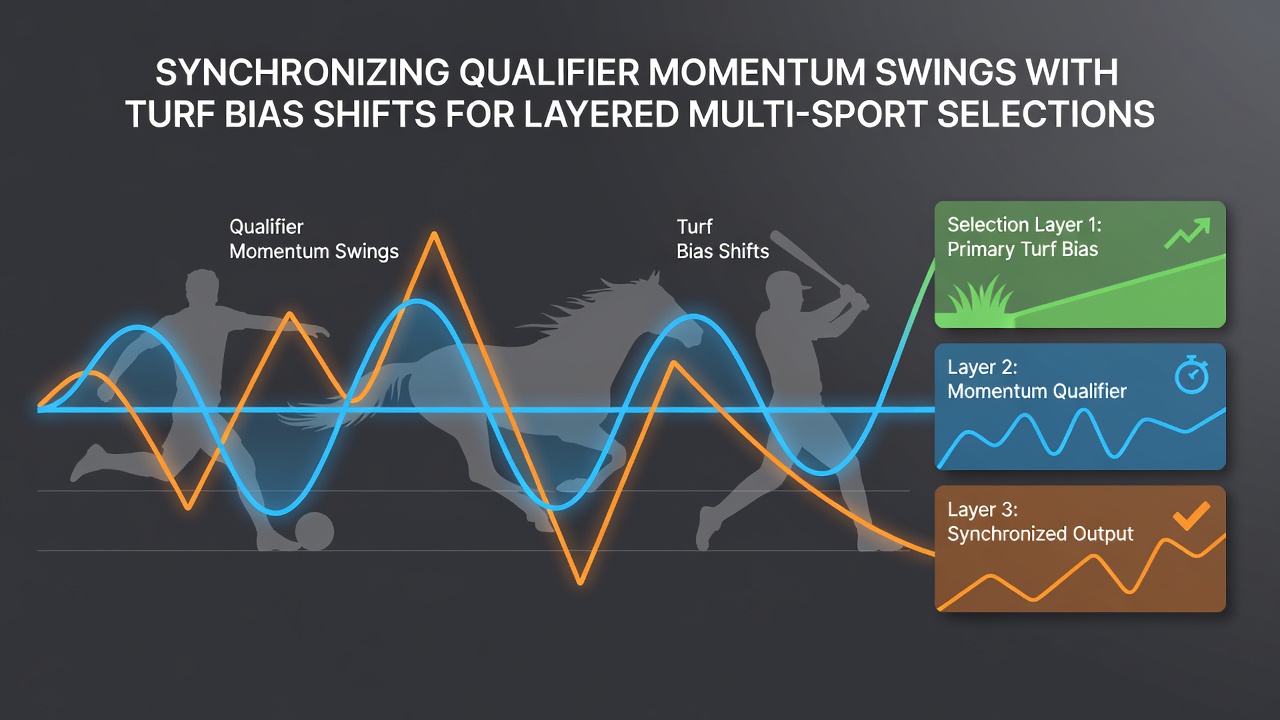
Analysts track patterns where tennis qualifier performances shift rapidly after initial rounds and connect those changes to turf surface biases that appear in horse racing schedules; data from multiple seasons shows these elements align at specific times of year when tournament calendars overlap with major racing meets. Observers note that qualifier momentum often builds through consecutive wins on varying court speeds while turf biases emerge from ground condition reports issued days before events, creating windows where combined selections gain statistical support from historical results.
Tracking Qualifier Performance Trends Across Surfaces
Records compiled by international tennis bodies indicate that players advancing from qualifying rounds maintain elevated win rates in the first main-draw match roughly 62 percent of the time on hard courts yet drop to 48 percent on clay when facing higher-ranked opponents; these figures come from aggregated match logs spanning 2018 through 2025 and continue to hold in early 2026 data releases. Researchers at sports analytics centers have mapped service-hold percentages and break-point conversion rates for qualifiers, revealing that momentum swings occur most sharply when a player secures two straight victories on the same surface before a draw opens up. Those who've examined thousands of matches point out that such streaks frequently coincide with periods when racing fixtures shift toward turf tracks favoring stamina-oriented runners.
Identifying Turf Bias Movements in Racing Calendars
Ground reports from racing authorities document how turf bias moves from firm to yielding conditions within 48 hours of rainfall, altering expected finishing positions for horses with particular running styles; Australian racing data released in 2025 shows that horses drawn in inside barriers win 34 percent more often on yielding turf than on firm ground when the race distance exceeds 1400 meters. European and North American meets display parallel adjustments where pace-biased tracks favor front-runners during drier spells but reward closers once irrigation or showers soften the surface. Figures from the New Jersey Division of Gaming Enforcement highlight that betting volumes on these surface-dependent outcomes rise measurably during July when simultaneous tennis and racing events increase cross-market interest.
Layered selections gain structure when bettors align a tennis qualifier's recent break-point success rate with a racing runner's proven record on the projected turf firmness; this approach draws from datasets that match daily court statistics against daily going descriptions rather than relying on season-long averages alone. One study released by Canadian regulatory analysts in 2025 examined accumulator returns across 12 months and found that pairings timed within 24 hours of official turf reports produced narrower variance in outcomes compared with selections made farther in advance.

Building Layered Accumulators Through Timing Alignment
Market movements recorded across several bookmakers demonstrate that odds on tennis qualifiers tighten when early-round results confirm strong service metrics, while simultaneous adjustments appear in racing markets once turf reports confirm bias shifts; these parallel movements create brief intervals where combined prices reflect updated probabilities more accurately. Practitioners who monitor both feeds report that July 2026 schedules place several ATP and WTA qualifying events alongside prominent turf festivals, increasing the number of overlapping data points available for synchronization. According to an industry report issued by the European Gaming and Betting Association, operators observed a 19 percent increase in multi-sport accumulator activity during similar calendar overlaps in previous years.
Selection layers typically begin with a tennis qualifier whose momentum indicators exceed historical norms for that round, then add a racing selection whose profile matches the declared turf conditions; further layers incorporate additional qualifiers or races only after fresh data confirms the initial bias direction remains intact. Observers note that this sequential verification reduces exposure to overnight changes in weather or court maintenance that could otherwise invert expected outcomes. Data from multiple jurisdictions shows that accumulators constructed this way exhibit lower drawdown rates across sample periods when compared with randomly assembled combinations.
Monitoring Real-Time Adjustments During Overlapping Seasons
Live feeds from both sports supply continuous updates on momentum indicators such as first-serve percentages in tennis and sectional times in racing; these streams allow adjustments within the same session when a qualifier's performance deviates from the pre-match projection or when a turf track receives unexpected maintenance. Regulatory filings from Australian authorities indicate that real-time data integration tools gained adoption among professional operators between 2024 and 2026, coinciding with expanded access to detailed court and track metrics. Those monitoring these feeds emphasize that synchronization depends on matching the timing of updates rather than static pre-event values.
Case examples drawn from 2025 records illustrate instances where a tennis qualifier posted consecutive service breaks on a medium-paced surface while a turf race on the same day shifted toward favoring horses with late-closing styles; the combined selection captured the directional movement in both markets within a narrow time window. Such alignments recur when tournament locations and racing venues share similar climate zones, producing correlated environmental influences on performance data.
Conclusion
Patterns extracted from historical match and race logs demonstrate measurable connections between tennis qualifier momentum indicators and turf bias movements that support the construction of layered multi-sport selections when timing aligns. Continued releases of granular performance statistics from tennis federations and racing authorities provide the foundation for ongoing refinement of these synchronization methods across future calendar overlaps.