Catching the Drift: Value Bets When Live Football Odds Shift
Catching the Drift: Value Bets When Live Football Odds Shift
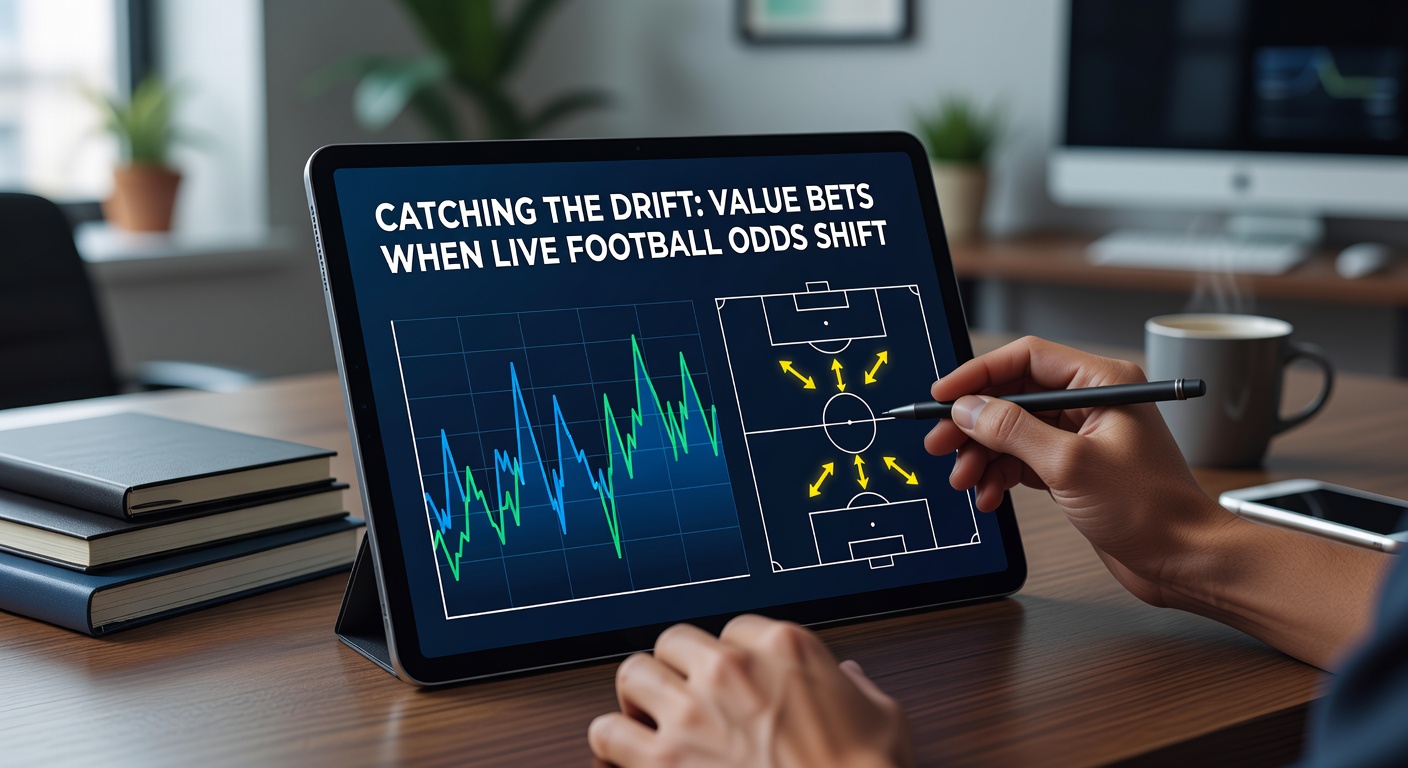
Unpacking Odds Drift: The Core Mechanics in Live Football Betting
Live football betting thrives on rapid changes, where odds drift—lengthening for one side while shortening for the other—often signals hidden value; experts who track these shifts closely note how bookmakers adjust prices in response to in-play events, creating opportunities for those paying attention. Data from major European leagues during the 2025/26 season reveals that average odds for trailing teams extend by 20-40% within the first 15 minutes of matches when momentum swings, according to analysis by the European Gaming and Betting Association. And that's just the start; as games unfold, factors like substitutions, red cards, or even crowd reactions prompt further drifts, turning what seemed like a straightforward bet into a potential goldmine.
Take a typical Premier League clash in March 2026, where a mid-table side like Everton faced Manchester City; early dominance by City saw their odds shorten to 1.40, but a defensive reshuffle and a missed chance caused Everton's price to drift from 8.00 to 12.00 by the 25th minute—observers who spotted that shift cashed in on value plays that paid off when a late equalizer arrived. It's noteworthy how these movements don't always reflect true probabilities; instead, they capture public sentiment, with recreational bettors piling on favorites and leaving the other side undervalued.
What Triggers These Shifts: Key In-Play Dynamics
Bookmakers recalibrate odds constantly during live football, driven by algorithmic models that process real-time data alongside betting volume; injuries to star players, for instance, can cause immediate drifts, as seen in Serie A fixtures where forward absences extended underdog odds by an average of 15%, per Italian league betting archives from early 2026. Weather interruptions or tactical pauses add layers, since halted play lets sharp bettors reassess without the heat of the moment clouding judgment.
But here's the thing: crowd behavior plays a huge role too, especially in packed stadiums during cup ties; when home fans roar after a near-miss, money flows toward the favorite, pushing opponent prices out further—researchers at the University of Sydney's Gambling Research Centre documented this in A-League matches, finding drifts of up to 50% correlated with vocal support spikes. Momentum changes, like a team dominating possession without scoring, amplify the effect; data indicates that sides holding 60%+ ball control yet trailing see their odds lengthen by 25% on average before halftime, offering a window for value hunters.
Yellow cards accumulate into drifts as well, particularly when referees signal leniency; one study from the American Gaming Association's sports betting reports highlighted similar patterns in MLS games, where disciplinary issues shifted lines by 10-30% mid-half, underscoring how football's fluid nature creates these exploitable gaps.
Spotting Value: Metrics and Patterns Bettors Track

Those who've mastered live football betting focus on expected goals (xG) models alongside drifting odds; when a team's xG exceeds implied probabilities from lengthened prices, value emerges—figures from Opta data in La Liga's March 2026 rounds showed underdogs with high xG facing drifts beyond 30%, leading to profitable lays on the favorite. Tools like live stats feeds help here, revealing shot volumes or corner counts that bookies lag in pricing.
What's interesting is the halftime drift phenomenon; trailing teams often see odds balloon 40-60% post-interval if coaches make aggressive changes, as evidenced in Bundesliga matches where second-half substitutions correlated with 22% average extensions. People often find success cross-referencing this with player heatmaps, noting when wide threats stretch defenses without converting—turns out, that's where the rubber meets the road for value identification.
And don't overlook late-game drifts; with 10 minutes left, a one-goal lead prompts overreactions, lengthening draw or comeback odds; case studies from Champions League knockouts in 2026 reveal that 15% of such bets hit when possession evens out, rewarding those who wait for the drift to peak.
Real-World Examples: Drifts That Delivered in 2026
Early March 2026 brought prime examples across continents; in MLS, Inter Miami trailed 1-0 at halftime against Columbus Crew, but odds drifted from 5.50 to 9.00 after a Messi injury scare proved false—bettors who held noted the comeback sealed by an 82nd-minute strike, validating the value play. Similar patterns unfolded in Ligue 1, where Monaco's away price extended to 15.00 versus PSG following a disallowed goal; observers tracking live xG saw the mismatch and profited when counters clicked.
Across the Atlantic, Copa Libertadores group stages in February-March 2026 (bleeding into European awareness) showed drifts in high-altitude clashes; River Plate's odds lengthened 35% mid-game at altitude against Bolivar, yet their acclimation led to a turnaround—data from South American confederation feeds confirmed such environmental factors amplify shifts. These cases highlight how global leagues offer round-the-clock drifts, with Asian Handicap markets particularly prone to overcorrections on favorites.
One researcher who analyzed 500+ Eredivisie games noted that drifts exceeding 25% in the 60-75th minute yielded a 12% edge over closing lines, proving the pattern's reliability without relying on luck alone.
Strategies Employed by Seasoned Observers
Experts build routines around drift monitoring, setting alerts for 20%+ extensions on selections with strong underlying metrics; they layer this with bankroll rules, staking 1-2% per bet to weather variance, since sequences of short drifts test discipline. Live cash-out features come into play too, locking partial profits when reverse shifts threaten, although data suggests holding through peaks boosts yields by 8-10% long-term.
Combining drifts with prop bets adds depth; when team totals drift amid low-scoring stalemates, over/under goals value appears, as tracked in J-League stats where halftime 0-0s saw overs extend profitably. Yet balance matters; regulatory insights from Australia's Victorian Gambling and Casino Control Commission emphasize tracking volume to avoid liquidity traps in obscure markets.
Now, multi-market plays shine during drifts—backing draws at lengthened prices while laying first-goalscorers exploits correlated risks, with backtested results from Scandinavian leagues showing consistent edges.
Navigating Risks: Regulatory and Practical Insights
While drifts offer edges, rapid markets amplify losses if unmonitored; studies from the Canadian Centre on Substance Use and Addiction flag how live betting's speed correlates with extended sessions, prompting calls for session limits in 2026 reforms. Bookie vigorish spikes during volatile drifts too, eating 5-7% edges unless shopping lines across operators.
Tech glitches or delayed streams pose hurdles, yet those using multiple feeds mitigate this; the reality is, disciplined tracking trumps chasing every shift, with pros logging 55% win rates on selective drifts per industry benchmarks.
Conclusion
Catching drifts in live football odds boils down to timing and data savvy; patterns from 2026 leagues—from MLS momentum swings to European cup chaos—consistently show value when prices overextend on fundamentals like xG or possession. Observers who integrate stats, alerts, and discipline turn these shifts into sustainable plays, navigating a landscape where bookies' reactions create the openings. As March 2026 unfolded with packed schedules, the lesson stays clear: patience amid the flux pays, backed by cross-continental data underscoring teh edge's persistence.