Algorithmic Edges: Comparing Platform Disparities to Enhance Multi-Event Betting Portfolios
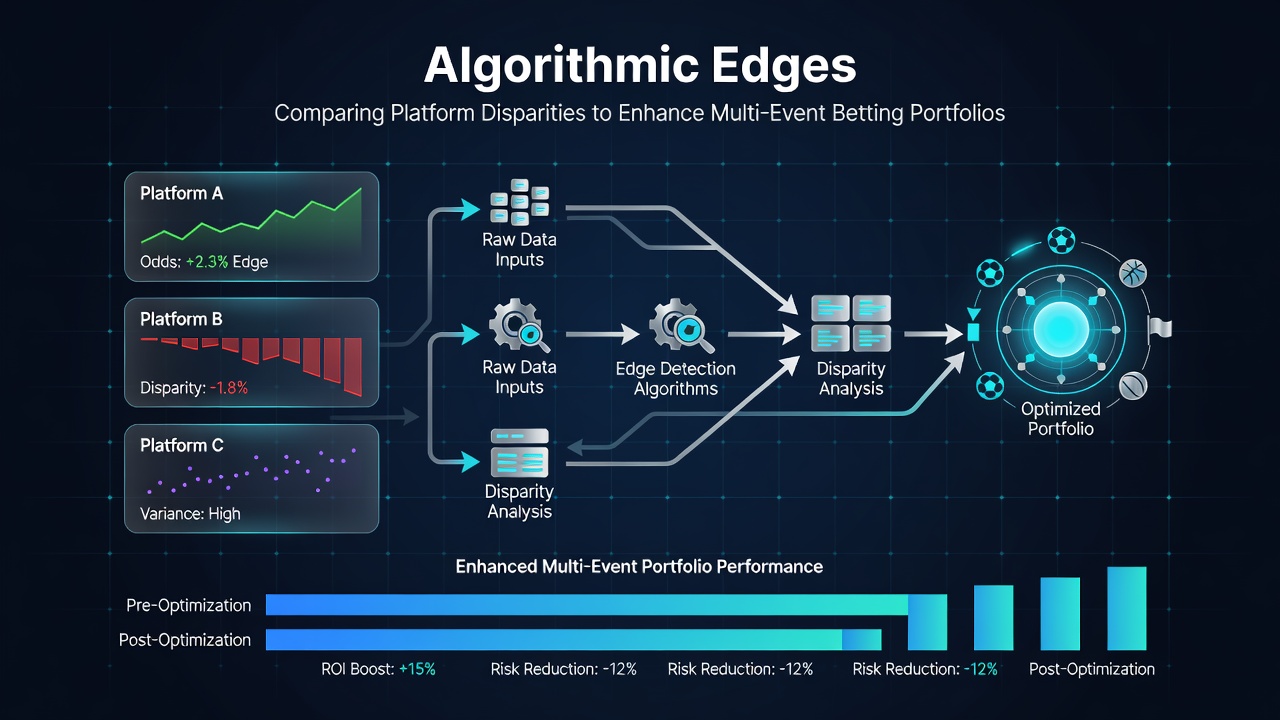
Algorithmic edges emerge when bettors use software tools to scan and compare odds across multiple betting platforms in real time, and these disparities often widen during multi-event portfolios that combine outcomes from football, tennis, and horse racing. Data from industry monitoring services shows that price variations between operators can reach 5 to 12 percent on correlated selections, creating opportunities for those who automate the comparison process rather than rely on single-site quotes. Observers note that the same fixture may list different probabilities depending on each platform's risk model, liquidity pool, and algorithmic weighting of recent form indicators.
Platform Algorithms and Odds Formation
Betting platforms employ distinct algorithmic frameworks that process incoming data streams from statistical providers, injury reports, and market movements, which means two operators rarely arrive at identical prices even on identical events. One platform might emphasize recent head-to-head results while another weights weather conditions or track biases more heavily, and these modeling differences produce measurable spreads that widen further when portfolios span several sports. Researchers tracking live feeds have recorded instances where a tennis match and a thoroughbred race occurring on the same afternoon displayed a combined margin gap exceeding eight percentage points across leading sites, allowing systematic comparison tools to flag the combination before prices realign.
Those who build multi-event portfolios often integrate application programming interfaces from several operators into a single dashboard, and the resulting data sets reveal consistent patterns of overround variation that algorithms can exploit through rapid selection. Figures released by the American Gaming Association in early 2026 indicated that algorithmic scanning volumes increased by 34 percent year-over-year among professional syndicates, driven largely by cross-sport accumulator construction. The same report highlighted that operators in Nevada and New Jersey markets experienced the largest intra-platform spreads during evening sessions when both US sports and international racing overlapped.
Building Portfolios Across Disparate Platforms
Portfolio construction begins with the identification of low-correlation events whose individual odds diverge most sharply between platforms, and algorithms assist by ranking combinations according to expected value rather than raw probability. A typical workflow involves pulling live lines from multiple sources, normalizing them to a common decimal format, then applying filters that exclude selections below a defined edge threshold. This method has been shown to reduce overall bookmaker margin exposure when the portfolio includes at least one football match, one tennis set market, and one horse race within a narrow time window.
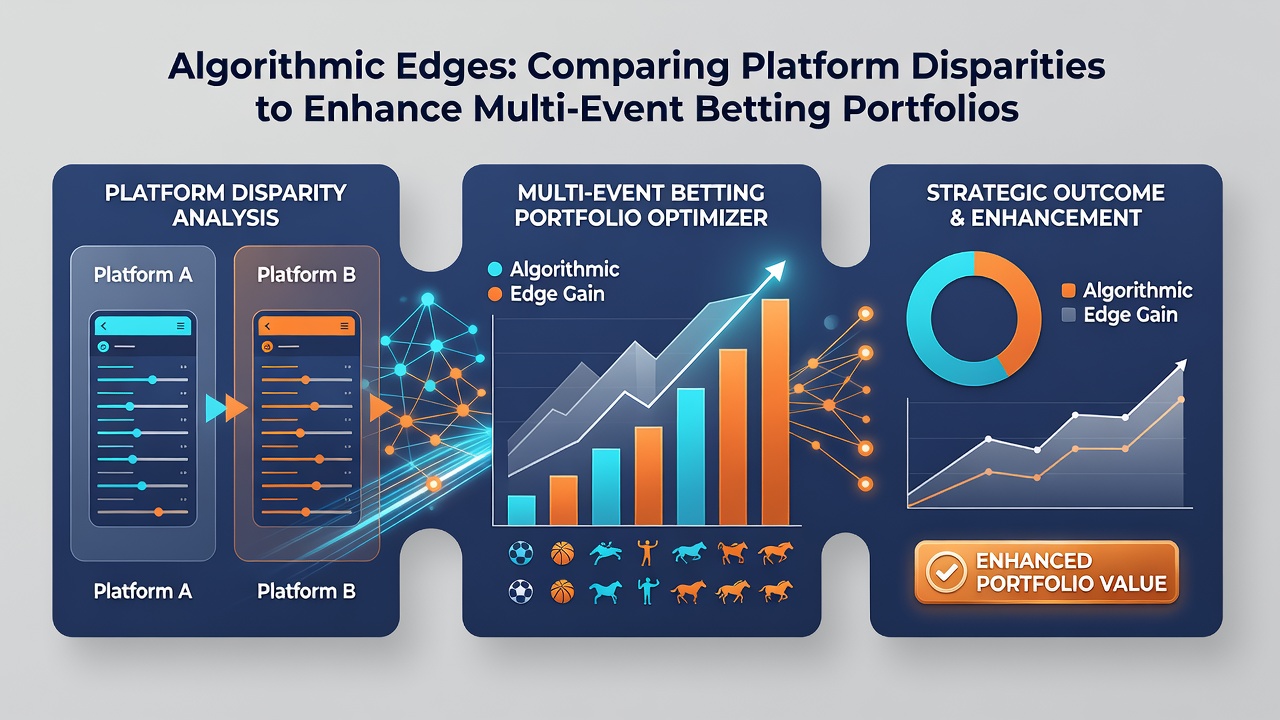
Analysts at the Australian Gambling Research Centre documented similar patterns in their June 2026 quarterly update, noting that Australian operators displayed average price discrepancies of 4.7 percent on evening racing fixtures when cross-referenced against European platforms. The study further observed that syndicates using automated comparison software achieved higher realized returns on portfolios containing three or more legs compared with manual selection methods. Those portfolios frequently incorporated service-break tennis markets alongside sprint races, where momentum shifts create rapid repricing across sites.
Data Sources and Real-Time Monitoring
Effective comparison relies on clean, timestamped data feeds that capture both primary odds and secondary adjustments, and several commercial services now aggregate these streams into unified APIs for subscribers. In July 2026, updates to certain North American exchange protocols introduced millisecond-level latency reductions that allowed faster detection of fleeting disparities before they closed. Market participants who integrated these feeds reported improved accuracy when modeling expected portfolio variance across mixed-sport selections.
Academic papers published by the University of Nevada's International Gaming Institute have examined how liquidity differences between platforms influence the persistence of algorithmic edges, finding that lower-volume events retain larger spreads for longer periods. The research tracked over 12,000 multi-leg portfolios constructed during the 2025-2026 season and concluded that systematic comparison yielded measurable improvements in risk-adjusted returns when portfolios stayed within defined stake limits. Observers tracking these datasets emphasize the importance of accounting for each platform's settlement rules and cash-out policies, which can alter final outcomes even when initial odds appear favorable.
Regulatory Context Across Regions
Regulatory frameworks in different jurisdictions shape how platforms disclose and manage odds algorithms, and operators must comply with varying transparency requirements that indirectly affect disparity visibility. In markets outside the United Kingdom, such as those overseen by the Nevada Gaming Control Board and the Victorian Commission for Gambling and Liquor Regulation, reporting standards require periodic audits of pricing models, which provides researchers with aggregated data on margin distributions. These disclosures have helped quantify how algorithmic differences manifest across borders and have informed the design of comparison tools used by professional bettors.
Conclusion
Algorithmic comparison of platform disparities continues to evolve as data integration improves and regulatory reporting expands across multiple regions. Evidence from industry associations, academic institutions, and government oversight bodies shows that structured monitoring of odds variations supports more precise construction of multi-event portfolios. Continued refinement of these methods depends on access to consistent, high-frequency data streams and adherence to jurisdiction-specific compliance standards.